EU Imports to China — Reverse Logistics from Europe
EU imports to China is our reverse-corridor service: we pick up cargo at your supplier or warehouse anywhere in Europe, move it to China by rail or sea, complete Chinese import customs clearance and deliver to your final address — giving European exporters and China-based buyers one managed door-to-door solution.
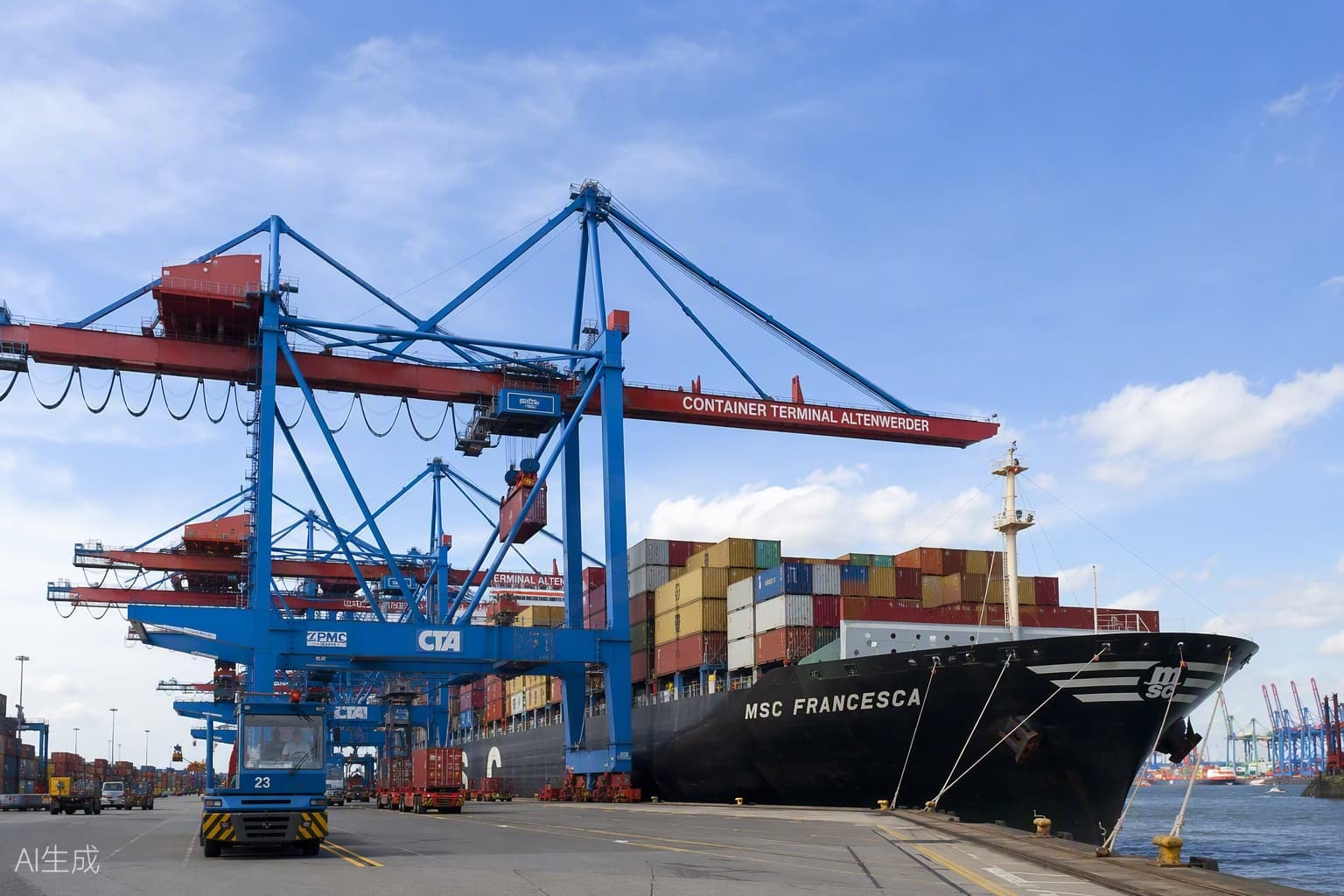
EU imports to China is our reverse-corridor service: we pick up cargo at your supplier or warehouse anywhere in Europe, move it to China by rail or sea, complete Chinese import customs clearance and deliver to your final address — giving European exporters and China-based buyers one managed door-to-door solution.
What Is the EU-to-China Import Service?
Trade on the China–Europe corridor runs both ways. Our EU-to-China service manages the eastbound flow: collection from European suppliers, export formalities in the EU, main carriage by rail or sea, import customs clearance in China, and final delivery to factories, warehouses or distribution centers across China. European manufacturers, brand owners and trading companies use it to reach the Chinese market; Chinese buyers use it to import European machinery, components, food and consumer goods with a single accountable partner.
Rail or Sea: Choosing the Eastbound Mode
Eastbound rail on the China–Europe corridor typically takes 16–22 days from European terminals to Chinese stations — far faster than the 30–40 days of sea freight, and dramatically cheaper than air. Rail suits time-sensitive, mid-to-high-value goods such as machinery, automotive parts, medical equipment and premium consumer products.
For heavy, low-value or non-urgent cargo we route eastbound by sea from ports like Hamburg or Rotterdam, optimizing cost over speed. We model both options for your lane and quote them side by side, so you choose with full visibility of cost and transit time.
Chinese Import Customs Clearance
Importing into China requires accurate HS classification, customs valuation, and — for many product categories — specific licenses or registrations, such as CCC certification for regulated products, registration for food and cosmetics, or import permits for certain machinery. Our team reviews your product documentation before departure, prepares the import declaration, and coordinates inspections at the Chinese port or rail terminal.
Getting documentation right before the goods move is critical: correcting a filing after arrival in China is slow and expensive, while a clean pre-lodged declaration clears in days.
Pickup Anywhere in Europe, Delivery Anywhere in China
On the European side we collect from any supplier address — factory, warehouse or port — using our FTL and LTL trucking network, and consolidate at rail terminals such as Duisburg or Małaszewicze when several suppliers are involved. On the Chinese side we deliver nationwide from the arrival station or port, including inland destinations far from the coast.
As with our westbound service, everything runs under one booking and one invoice, with milestone tracking from European pickup to Chinese proof of delivery.
Who Uses EU-to-China Imports
Typical users include European brands entering or restocking the Chinese market, Chinese manufacturers importing European machinery and components, distributors of European food, cosmetics and consumer goods, and companies returning or exchanging equipment between their European and Chinese operations.
Send us your cargo details, European pickup address and Chinese delivery address — we will map the rail and sea options with indicative rates and transit times for your lane.
Frequently Asked Questions
How can I import goods from Europe to China?
We manage the whole flow: pickup at your European supplier, EU export formalities, main carriage by eastbound rail (typically 16–22 days) or sea (30–40 days), Chinese import customs clearance, and final delivery anywhere in China — one booking, one invoice, one point of contact.
How long does rail freight from Europe to China take?
Eastbound rail from European terminals to Chinese stations typically takes 16–22 days, versus 30–40 days by sea. Rail suits time-sensitive, mid-to-high-value goods; sea is the economical choice for heavy, low-value or non-urgent cargo. We quote both options side by side for your lane.
What is needed for Chinese import customs clearance?
Accurate HS classification and customs valuation, plus product-specific requirements: CCC certification for regulated products, registration for food and cosmetics, import permits for certain machinery. We review your documentation before departure and pre-lodge the declaration so goods clear in days rather than stalling at the port or rail terminal.
Ready to ship between China and Europe?
Get a transparent indicative quote in seconds, or talk to our team about your shipment.