Customs Brokerage in Europe
Customs brokerage is our European import-clearance service for rail freight from China: our in-house brokers at key hubs such as Małaszewicze (Poland) handle standard import clearance, fiscal clearance with deferred VAT, and T1 transit documents — so your container leaves the terminal within days instead of weeks.
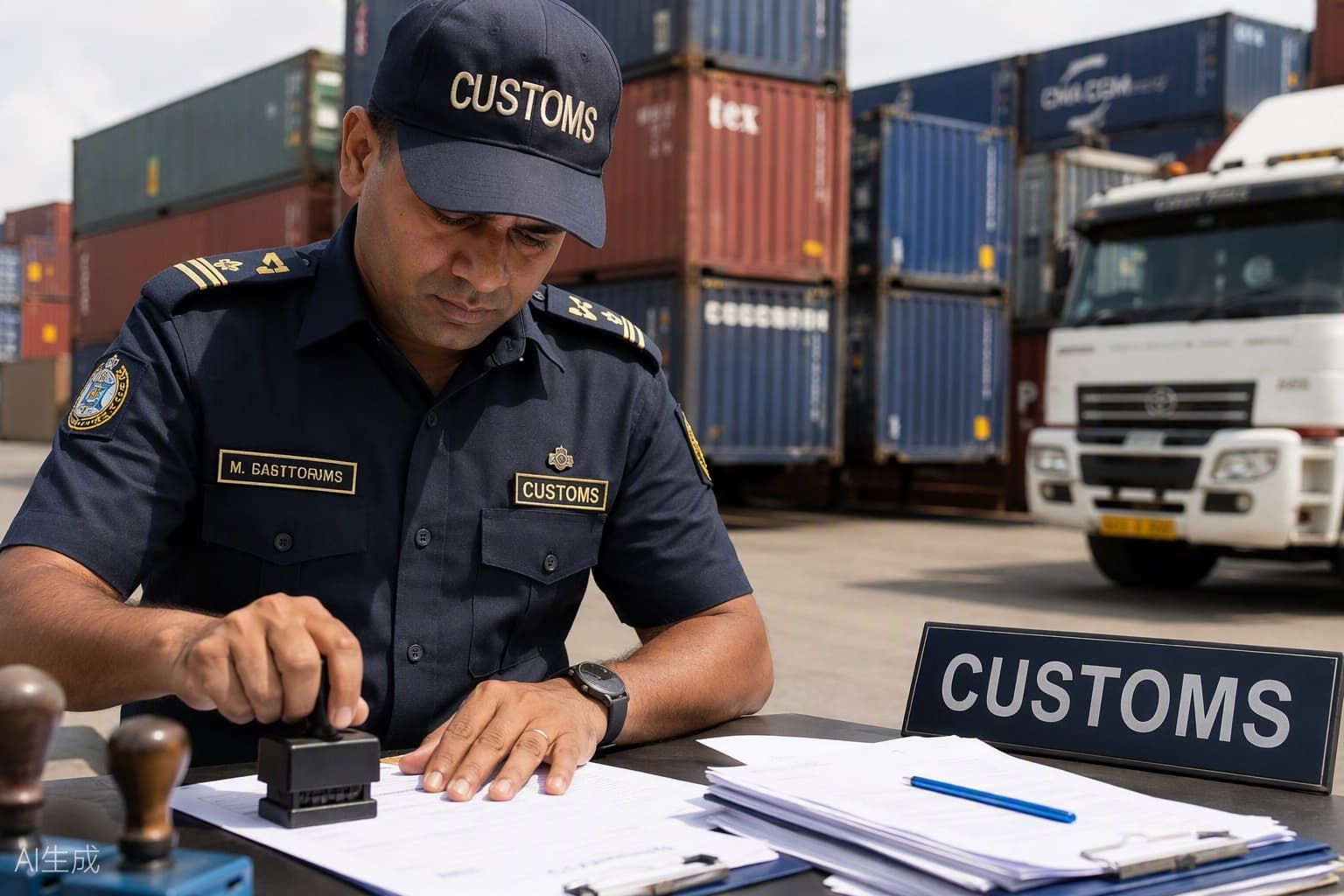
Customs brokerage is our European import-clearance service for rail freight from China: our in-house brokers at key hubs such as Małaszewicze (Poland) handle standard import clearance, fiscal clearance with deferred VAT, and T1 transit documents — so your container leaves the terminal within days instead of weeks.
What Does a Customs Broker Do?
Every shipment entering the European Union needs an import declaration: the correct HS code, customs value, origin, duty and VAT calculation, plus any product-compliance documents. A customs broker prepares and files that declaration, answers customs queries, arranges inspections and releases the cargo into free circulation. Errors or missing documents are the most common cause of rail containers sitting at terminals — a professional broker at the right hub is the difference between a two-day release and a two-week delay.
Standard Clearance, Fiscal Clearance and T1 Transit
We offer the three clearance modes that matter on the China–EU corridor. Standard import clearance releases goods into free circulation at the arrival hub, with duty and import VAT paid on entry — ideal when your warehouse or market is near the hub.
Fiscal clearance (VAT-deferred import) lets you import through a country with a deferment or reverse-charge mechanism, so import VAT is not paid at the border but accounted for in your destination-country VAT return — a major cash-flow advantage for regular importers. T1 transit moves uncleared goods under bond from the arrival terminal to a customs office or bonded warehouse closer to you, where the import declaration is then completed.
In-House Brokers at Key Hubs
Our own customs brokerage teams work at the main China–Europe rail gateways, including Małaszewicze in Poland — the busiest border point on the corridor — and other major EU hubs. Because our brokers sit next to the terminal, documents are pre-lodged before the train arrives, inspections are coordinated on site, and cleared containers are handed to trucking the same day.
Chinese export declaration is covered too: our teams in China handle the outbound formalities at every origin terminal, so both ends of the corridor speak to each other directly.
Documents You Need to Provide
For a smooth EU import clearance we typically need: the commercial invoice and packing list, the HS code (or a product description precise enough for us to classify), certificates of conformity for regulated products (CE, REACH, food-contact documentation where applicable), and your EORI number with VAT registration in the destination country.
For chemical products, a safety appraisal report is required before transport acceptance. Products containing batteries other than new energy vehicles, and dangerous goods, cannot move on the rail corridor at all — our team checks eligibility before booking so you never pay for a shipment that cannot clear.
Compliance and Cost Control
Correct classification and valuation are where import costs are won or lost. Our brokers review your HS codes and customs values before filing, flag anti-dumping or licensing requirements, and advise when a different clearance mode or hub would save duty, VAT cash-flow or time. You receive the duty and VAT breakdown with every declaration, fully auditable.
Send us your product list and destination country, and we will map the most efficient clearance route for your shipments.
Frequently Asked Questions
What is the difference between standard clearance, fiscal clearance and T1 transit?
Standard clearance releases goods into free circulation at the arrival hub, with duty and import VAT paid on entry. Fiscal clearance imports through a VAT-deferment country so import VAT is accounted for in your destination-country VAT return instead of paid at the border. T1 transit moves uncleared goods under bond to a customs office near you, where the declaration is completed.
Where do you clear customs for China–Europe rail shipments?
Our in-house customs brokerage teams operate at the main corridor gateways, including Małaszewicze in Poland — the busiest border crossing on the China–Europe route — and other major EU hubs, with documents pre-lodged before the train arrives so cleared containers move to trucking the same day.
What documents do I need for EU import customs clearance?
Typically the commercial invoice, packing list, HS code (or a precise product description for us to classify), conformity certificates for regulated products (CE, REACH, food-contact where applicable), and your EORI number with VAT registration in the destination country. Chemical products additionally require a safety appraisal report.
Can you check whether my product is allowed on the rail corridor?
Yes. Send us the product specifications and MSDS if available. Battery-powered products other than new energy vehicles and dangerous goods are not accepted on the rail corridor; chemical products need a safety appraisal report. We verify eligibility before you book, so a shipment never stalls at the border.
Ready to ship between China and Europe?
Get a transparent indicative quote in seconds, or talk to our team about your shipment.